

Feed
-
ArticleNatural Plant Products: A Less Focused Aspect for the COVID-19 Viral OutbreakThe sudden emergence of COVID-19 caused by a novel coronavirus (nCoV) led the entire world to search for relevant solutions to fight the pandemic. Although continuous trials are being conducted to develop precise vaccines and therapeutic antibodies, a potential remedy is yet to be developed. Plants have largely contributed to the treatment of several human diseases and different phytoconstituents have been previously described to impede the replication of numerous viruses. Despite the previous positive reports of plant-based medications, no successful clinical trials of phyto-anti-COVID drugs could be conducted to date. In this article, we discuss varying perspectives on why phyto-anti-viral drug clinical trials were not successful in the case of COVID-19. The issue has been discussed in light of the usage of plant-based therapeutics in previous coronavirus outbreaks. Through this article, we aim to identify the disadvantages in this research area and suggest some measures to ensure that phytoconstituents can efficiently contribute to future random viral outbreaks. It is emphasized that if used strategically phyto-inhibitors with pre-established clinical data for other diseases can save the time required for long clinical trials. The scientific community should competently tap into phytoconstituents and take their research up to the final stage of clinical trials so that potential phyto-anti-COVID drugs can be developed.By: rupaliTuesday, May 25, 2021AGRI-FOOD SYSTEMS+2

-
OpportunityLorem Ipsum: Where does it come from?Contrary to popular belief, Lorem Ipsum is not simply random text. It has roots in a piece of classical Latin literature from 45 BC, making it over 2000 years old. Richard McClintock, a Latin professor at Hampden-Sydney College in Virginia, looked up one of the more obscure Latin words, consectetur, from a Lorem Ipsum passage, and going through the cites of the word in classical literature, discovered the undoubtable source. Lorem Ipsum comes from sections 1.10.32 and 1.10.33 of "de Finibus Bonorum et Malorum" (The Extremes of Good and Evil) by Cicero, written in 45 BC. This book is a treatise on the theory of ethics, very popular during the Renaissance. The first line of Lorem Ipsum, "Lorem ipsum dolor sit amet..", comes from a line in section 1.10.32. The standard chunk of Lorem Ipsum used since the 1500s is reproduced below for those interested. Sections 1.10.32 and 1.10.33 from "de Finibus Bonorum et Malorum"By: Vijaya Super adminFriday, May 21, 2021EDUCATION

-
OpportunityVenture capitalPrimer text from The College of William & MaryADHD is one of the most commonly diagnosed conditions of children (Centers for DiseaseControl and Prevention, 2015). In a 2016 Centers for Disease Control and Prevention study, scientists found that 6.1 million children aged 2-17 years living in the U.S. had been diagnosed with attention-deficit/hyperactivity disorder (ADHD), which is similar to previous estimates. Ages 2-5: Approximately 388,000 children Ages 6-11: Approximately 2.4 million children Ages 12-17: Approximately 3.3 million children The diagnostic term attention deficit/hyperactivity disorder (ADHD) refers to individuals who display patterns of inattention, impulsivity, and overactive behavior that interfere with daily functioning (American Psychiatric Association [APA], 2013). The Diagnostic and Statistical Manual (DSM) V (APA, 2013) criteria for diagnosing ADHD listthree types of ADHD and the accompanying characteristics. Predominantly inattentive type.The student may:o submit inaccurate or incomplete work,o have difficulty attending to conversations, activities, or tasks,o be easily distracted,o have difficulty following directions,o frequently lose materials, and/oro have difficulty organizing tasks and materials.By: Anne miller chinthanaWednesday, May 26, 2021CULTURE AND SOCIETY+1
-
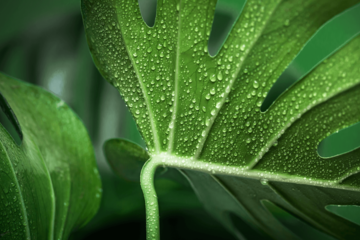
OpportunityPlant sterolsPlant sterols are found in the highest amounts in foods like vegetable oils, nuts, and seeds. Plant sterols are used as medicine. Plant sterols are most commonly used for lowering. Plant sterols are a group of substances made in plants. Plant sterols are found in the highest amounts in foods like vegetable oils, nuts, and seeds. Plant sterols are used as medicine.Plant sterols are most commonly used for lowering cholesterol levels. Plant sterols are also used for other conditions, but there is no good scientific evidence to support these other uses.By: rupaliThursday, May 20, 2021WATER, ENERGY, AND THE ENVIRONMENT+1
-
OpportunityRegenerative Organic AgricultureRegenerative agriculture is a conservation and rehabilitation approach to food and farming systems. It focuses on topsoil regeneration, increasing biodiversity. Regenerative agriculture is a conservation and rehabilitation approach to food and farming systems. It focuses on topsoil regeneration, increasing biodiversity, improving the water cycle, enhancing ecosystem services, supporting biosequestration, increasing resilience to climate change, and strengthening the health and vitality of farm soil. Regenerative agriculture is an adaptive management approach that is supported by soil health principles. There is no recipe or prescription because each farm or ranch differs based on unique natural resources, climate variability, and animal and ecological dynamics. Regenerative agriculture practices are designed to reduce inputs of synthetic fertilizers and pesticides, increase soil organic matter, enhance biodiversity and restore ecosystems, particularly optimizing the hydrological cycle. While the general public knows little about the crisis of soil loss, there is awareness and concern regarding the climate crisis. The two are connected and the recent surge of interest in regenerative agriculture has been stimulated by the hope of climate resilience and carbon sequestration offered by regenerative agriculture. Climate change mitigation has focused mainly on cutting carbon emissions and replacing fossil fuels with renewable energies. But more recently, carbon sequestration has come into the spotlight. The potential for agricultural practices to draw down and absorb carbon in the soil has begun to receive more attention.By: rupaliWednesday, May 19, 2021AGRI-FOOD SYSTEMS

-
ArticleImportance and Key Points Of Crop Production and ManagementAgriculture is intertwined with many other processes such as - cultivation, preparation of soil, sowing, irrigation, and so on. A farmer is involved in all these processes. He prepares the soil, sows the seeds, adds manure, irrigates, and harvests. the production and management of crops is an important aspect to ensure optimal productivity in the fields. The major agricultural practices involved in crop production and management are listed below: The soil is loosened and tilted before the seeds are sown The entire world depends on agriculture for its food. Therefore, it is very important to produce and store the harvested crops carefully. The soil should be loosened and aerated properly during crop production. Manures and fertilizers need to be added carefully. Too much fertilizer damages the soil while too little makes the crop deficient in nutrients. The crops should be irrigated periodically. The unwanted plants should be removed from the cultivated fields. These plants absorb the nutrients provided to the crop and obstruct their growth and development. The matured crops are harvested mechanically or manually. The harvested grains are dried and stored to protect them from pests and pathogens.Agriculture provides employment either in crops and livestock productions thus improving the family's standard of living and reducing poverty level.By: rupaliWednesday, May 19, 2021AGRI-FOOD SYSTEMS+1

-
ArticleAgricultureAgriculture is the art and science of cultivating the soil, growing crops and raising livestock. It includes the preparation of plant and animal products for people to use and their distribution to markets. Agriculture provides most of the world’s food and fabrics. Cotton, wool, and leather are all agricultural products. Agriculture, with its allied sectors, is unquestionably the largest livelihood provider in India, more so in the vast rural areas. It also contributes a significant figure to the Gross Domestic Product (GDP). Sustainable agriculture, in terms of food security, rural employment, and environmentally sustainable technologies such as soil conservation, sustainable natural resource management and biodiversity protection, are essential for holistic rural development. Indian agriculture and allied activities have witnessed a green revolution, a white revolution, a yellow revolution and a blue revolution.This section provides the information on agriculture produces; machineries, research etc. Detailed information on the government policies, schemes, agriculture loans, market prices, animal husbandry, fisheries, horticulture, loans & credit, sericulture etc. is also available. Agriculture is the science, art and practice of cultivating plants and livestock. Agriculture was the key development in the rise of sedentary human civilization, whereby farming of domesticated species created food surpluses that enabled people to live in cities. The history of agriculturebegan thousands of years ago. After gathering wild grains beginning at least 105,000 years ago, nascent farmers began to plant them around 11,500 years ago. Pigs, sheep, and cattle were domesticated over 10,000 years agoBy: rupaliWednesday, May 19, 2021AGRI-FOOD SYSTEMS+1

Leave a comment