

Feed
-
OpportunityAgri and food ScholarWild harvesting mushrooms can also be a lot of fun, and fairly lucrative, if you know where to go and when, and can find a buyer. Many gourmet restaurants are thrilled to get wild-harvested mushrooms, so it’s worth trying to make these connections. I have done this with both morel’s and hen of the woods (see pictures below). But make sure you know what you’re doing if you’re going to hunt (for more information see below). Also anyone interested in this topic should check outBy: chathuWednesday, May 12, 2021AGRI-FOOD SYSTEMS+6
-
PostWild harvesting mushrooms can also be a lot of fun, and fairly lucrative, if you know where to go and when, and can find a buyer. Many gourmet restaurants are thrilled to get wild-harvested mushrooms, so it’s worth trying to make these connections. I have done this with both morel’s and hen of the woods (see pictures below). But make sure you know what you’re doing if you’re going to hunt (for more information see below). Also anyone interested in this topic should check ouBy: chathuThursday, May 13, 2021AGRI-FOOD SYSTEMS+5

-
ArticleNew contacts and referralsThe most obvious benefit of networking is to meet potential clients and/or generate referrals which you can then follow up on to hopefully add to your client base. Networking can also help you identify opportunities for partnerships, joint ventures, or new areas of expansion for your business.By: Vijaya Super adminWednesday, May 12, 2021AGRI-FOOD SYSTEMS+3
:max_bytes(150000):strip_icc()/business-people-talking-in-restaurant-478169561-5b801999c9e77c004f199f67.jpg) No Preview Available
No Preview Available -
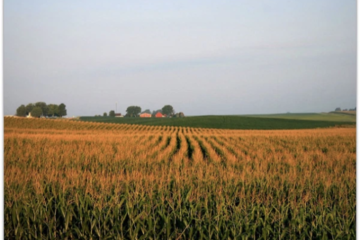
ArticleMushroom productionI’ve been planning for some time to add a Mushroom Production Resources Page to Beginning Farmers. Gourmet mushrooms are a high value crop which can be a great addition to a diversified farming operation, especially if they are lucky enough to be situated on land with a decent parcel of hardwood forest (for log production), or willing to invest in the equipment necessarBy: chathuWednesday, May 12, 2021AGRI-FOOD SYSTEMS+5
-
PostAlready you’ve got a slew of tasks running through your head. Call the accountant about what to write off this year as a business expense. Check in with the neighbors about using that extra acre of land at the bottom of your property. Make sure to order a few more bags of chicken scratch. Fix the fence. Talk to the farm down the street about how they’re using their hilly, forested land to plan for a future logging operation.By: chathuThursday, May 13, 2021AGRI-FOOD SYSTEMS+2
-
OpportunityTechnological advancementsTechnologies. People often ask, what exactly do you mean by “breakthrough”? It’s a reasonable question—some of our picks haven’t yet reached widespread use, while others may be on the cusp of becoming commercially available. What we’re really looking for is a technology, or perhaps even a collection of technologies, that will have a profound effect on our lives. For this year, a new technique in artificial intelligence called GANs is giving machines imagination; artificial embryos, despite some thorny ethical constraints, are redefining how life can be created and are opening a research window into the early moments of a human life; and a pilot plant in the heart of Texas’s petrochemical industry is attempting to create completely clean power from natural gas—probably a major energy source for the foreseeable future. These and the rest of our list will be worth keeping an eye on.By: Vijaya Super adminWednesday, May 12, 2021AGRI-FOOD SYSTEMS+3

-
OpportunityNetworking DefinitionBusiness networking is the process of establishing a mutually beneficial relationship with other business people and potential clients and/or customers.By: Vijaya Super adminWednesday, May 12, 2021HEALTH AND NUTRITION
:max_bytes(150000):strip_icc()/female-and-male-professionals-at-convention-center-966266846-5c4b0e1946e0fb00017b6316.jpg) No Preview Available
No Preview Available

Leave a comment