

Feed
-
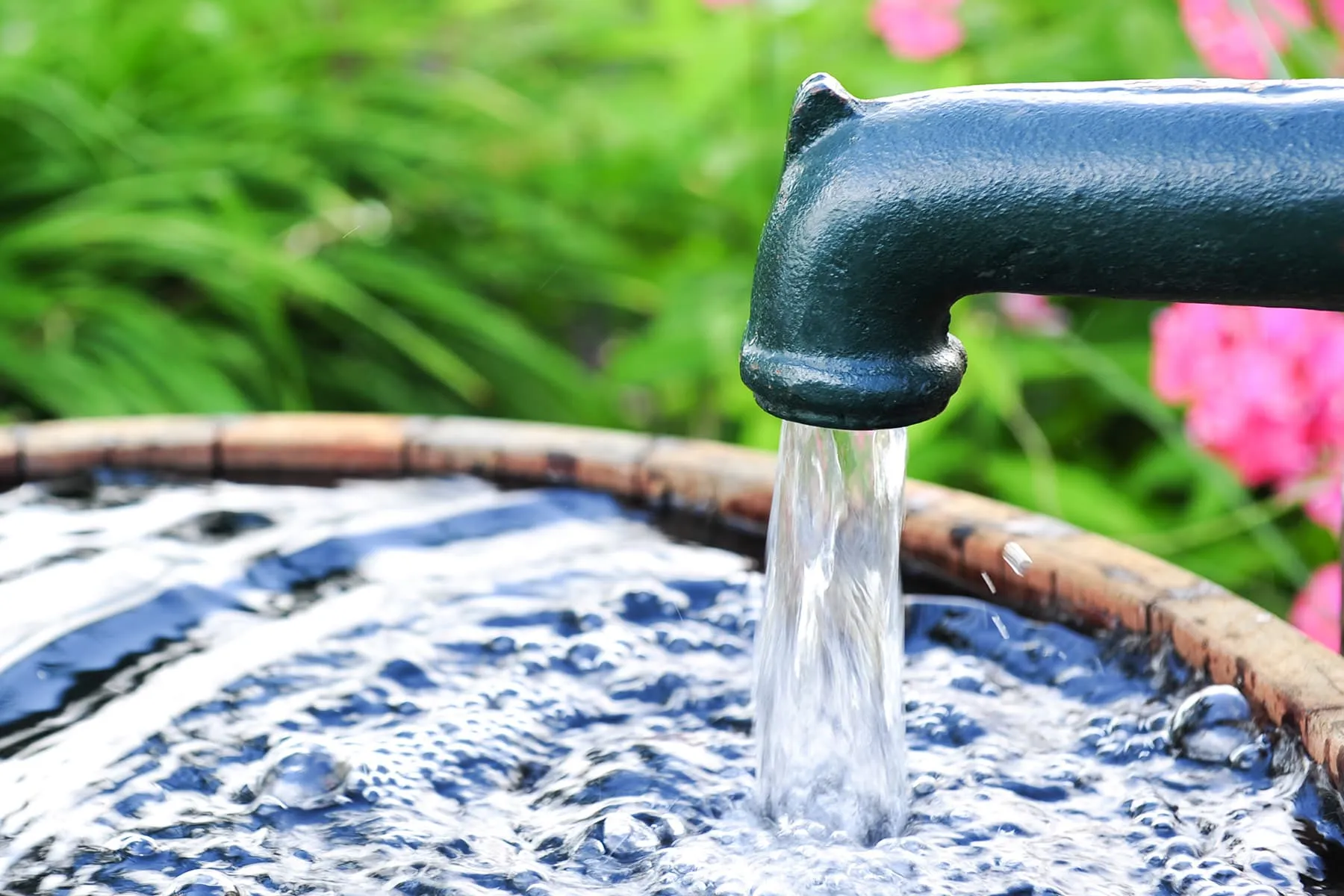
The Water in You: Water and the Human BodyREF:https://www.usgs.gov/special-topic/water-science-school/science/water-you-water-and-human-body?qt-science_center_objects=0#qt-science_center_objects The Water in You: Water and the Human Body Water serves a number of essential functions to keep us all going Think of what you need to survive, really just survive. Food? Water? Air? Facebook? Naturally, I'm going to concentrate on water here. Water is of major importance to all living things; in some organisms, up to 90% of their body weight comes from water. Up to 60% of the human adult body is water. According to H.H. Mitchell, Journal of Biological Chemistry 158, the brain and heart are composed of 73% water, and the lungs are about 83% water. The skin contains 64% water, muscles and kidneys are 79%, and even the bones are watery: 31%. Each day humans must consume a certain amount of water to survive. Of course, this varies according to age and gender, and also by where someone lives. Generally, an adult male needs about 3 liters (3.2 quarts) per day while an adult female needs about 2.2 liters (2.3 quarts) per day. All of the water a person needs does not have to come from drinking liquids, as some of this water is contained in the food we eat. Water serves a number of essential functions to keep us all going A vital nutrient to the life of every cell, acts first as a building material. It regulates our internal body temperature by sweating and respiration The carbohydrates and proteins that our bodies use as food are metabolized and transported by water in the bloodstream; It assists in flushing waste mainly through urination acts as a shock absorber for brain, spinal cord, and fetus forms saliva lubricates jointsBy: Scarlet PatrickWednesday, May 12, 2021CULTURE AND SOCIETY
 No Preview Available
 -
Test the article: youtube thumbnailTest: An Introduction to the Ecological Model in Public Health of the "ecological model,By: Vijaya Super adminWednesday, May 12, 2021WATER, ENERGY, AND THE ENVIRONMENT+1
-
Test article: Link previewRead more follow : https://www.webmd.com/a-to-z-guides/ss/slideshow-drink-enough-watertest articleBy: Vijaya Super adminWednesday, May 12, 2021CULTURE AND SOCIETY+1
 No Preview Available
 -
EnvironmentThe word ‘environment’ is derived from the old French word ‘environer’ – which means to ‘surround, enclose, and encircle’. Environment refers to an aggregate of conditions or surroundings in which living beings such as humans, animals, and plants live or survive and non-living things exist. All living beings including man and their environment are mutually reactive, affecting each other in a number of ways. It is generally equated with nature wherein physical components of the planet earth such as earth, air, water, etc. support and affect life in the biosphere.Ref : https://www.youtube.com/watch?v=5NNw0GSUR-cBy: Vijaya Super adminWednesday, May 12, 2021WATER, ENERGY, AND THE ENVIRONMENT+1
-
Educating a new generationGlobal education helps students develop their capacity to be informed, open-minded, responsible people who are responsive to diverse perspectives. Global education prepares us to address the world’s most pressing issues collaboratively, equitably, and sustainably. Global education helps students understand that pressing issues must be faced in an interdisciplinary way, given the complexity of environments and competing needs and interests.By: Jayathilini Lakshika HewapathiranaWednesday, May 12, 2021HEALTH AND NUTRITION+1

-
Micro-credentialsThe educator uses current research and resources aligned with global education to create a yearly resource plan. The educator identifies strategies and activities that support the global competence framework, and incorporates them into lessons, assignments, activities, or assessments. Method Components Educating a new generation of globally and culturally competent students is imperative. A clear framework for global competence requires students to engage in robust and rigorous exploration that includes investigating the world, recognizing perspectives, communicating ideas, and taking action. Definition of Global Education Global education helps students develop their capacity to be informed, open-minded, responsible people who are responsive to diverse perspectives. Global education prepares us to address the world’s most pressing issues collaboratively, equitably, and sustainably. Global education helps students understand that pressing issues must be faced in an interdisciplinary way, given the complexity of environments and competing needs and interests.By: Jayathilini Lakshika HewapathiranaWednesday, May 12, 2021CULTURE AND SOCIETY+1
-
Venture capital :The four-part framework (investigating the issue, recognizing perspectives, communicating ideas, taking action) incorporated into this micro-credential reflects the changing role of our students in the 21st century. Students must have a substantive understanding of the complex, diverse, and interdependent world in which they live. Educators will delve into the research that supports the students becoming globally competent through inquiry. The four-part framework is described below. Additional resources are available in the “Supporting Rationale and Research” section and should be examined prior to completing this micro-credential.By: Scarlet PatrickWednesday, May 12, 2021AGRI-FOOD SYSTEMS+1

Leave a comment