



Results for "help"
7 Results
What are the health benefits of exercise?
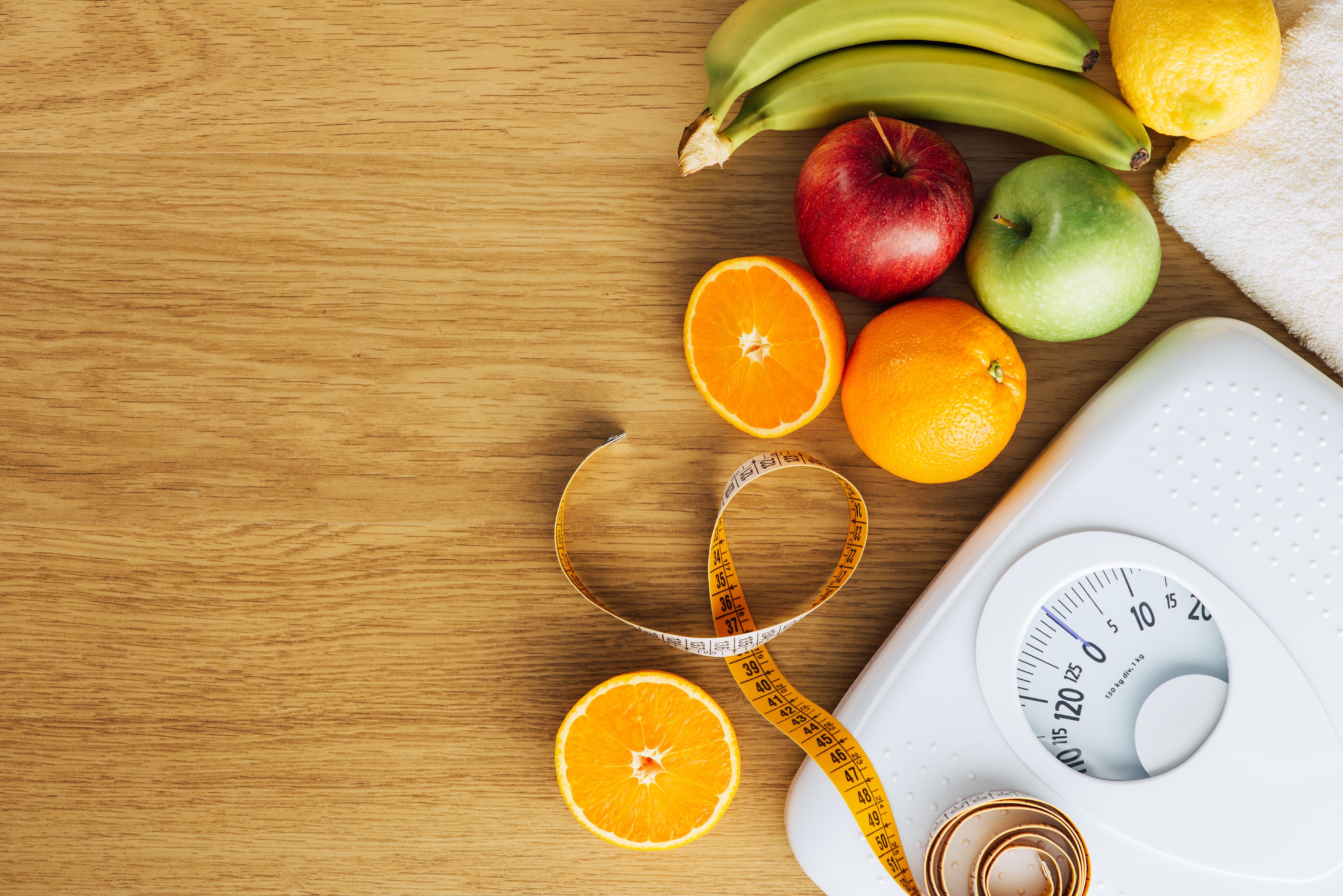
Help you get to and stay at a healthy weight. Along with diet, exercise plays an important role in maintaining a healthy weight and preventing obesity. If you are at a healthy weight, you can maintain it if the calories you eat and drink are equal to the amount of energy you burn. To lose weight, you need to use more calories than you eat and drink.
Reduce your risk of heart diseases. Exercise strengthens your heart and improves your circulation. The increased blood flow raises the oxygen levels in your body. This helps lower your risk of heart diseases such as coronary artery disease and heart attack. Regular exercise can also lower high blood pressure, cholesterol, and triglyceride levels, all of which are risk factors for heart disease.
Help your body manage blood glucose (blood sugar) and insulin levels. Exercise can lower your blood glucose levels and help your insulin work better. This can reduce your risk of metabolic syndrome and type 2 diabetes. And if you already have one of these diseases, exercise can help you manage it.
Help you manage a chronic health condition. For example, regular physical activity may help reduce pain and improve function in adults with arthritis. It can also help support daily living activities for people with disabilities. This may help them be more independent.
Help you quit smoking. Exercise may make it easier to quit smoking by reducing your cravings and withdrawal symptoms. It can also help limit the weight you might gain when you stop smoking.
Improve your mental health and mood. During exercise, your body releases chemicals that can improve your mood and make you feel more relaxed. This can help you deal with stress, manage anxiety, and reduce your risk of depression.
Help keep your thinking, learning, and judgment skills sharp as you age. Exercise stimulates your body to release proteins and other chemicals that improve the structure and function of your brain.
Strengthen your bones and muscles. Regular exercise can help kids and teens build strong bones. Later in life, it can also slow the loss of bone density that comes with age. Doing muscle-strengthening activities can help you increase or maintain your muscle mass and strength. For older adults, this can mean staying independent, like being able to get in and out of a chair or bed without help.
By:
Anvika singh
Wednesday, Dec 17, 2025
HEALTH AND NUTRITION
+1
No Preview Available
Leave a comment
A healthy diet helps to protect against malnutrition in all its forms, as well as noncommunicable di
A healthy diet helps to protect against malnutrition in all its forms, as well as noncommunicable diseases (NCDs), including diabetes, heart disease, stroke and cancer.
Unhealthy diet and lack of physical activity are leading global risks to health.
Healthy dietary practices start early in life – breastfeeding fosters healthy growth and improves cognitive development, and may have longer term health benefits such as reducing the risk of becoming overweight or obese and developing NCDs later in life.
Energy intake (calories) should be in balance with energy expenditure. To avoid unhealthy weight gain, total fat should not exceed 30% of total energy intake (1, 2, 3). Intake of saturated fats should be less than 10% of total energy intake, and intake of trans-fats less than 1% of total energy intake, with a shift in fat consumption away from saturated fats and trans-fats to unsaturated fats (3), and towards the goal of eliminating industrially-produced trans-fats (4, 5, 6).
Limiting intake of free sugars to less than 10% of total energy intake (2, 7) is part of a healthy diet. A further reduction to less than 5% of total energy intake is suggested for additional health benefits (7).
Keeping salt intake to less than 5 g per day (equivalent to sodium intake of less than 2 g per day) helps to prevent hypertension, and reduces the risk of heart disease and stroke in the adult population (8).
WHO Member States have agreed to reduce the global population’s intake of salt by 30% by 2025; they have also agreed to halt the rise in diabetes and obesity in adults and adolescents as well as in childhood overweight by 2025 (9, 10).
By:
Anne miller chinthana
Tuesday, Aug 19, 2025
WATER, ENERGY, AND THE ENVIRONMENT

Leave a comment
Stress management
Stress management offers a range of ways to help you better deal with stress and difficulty, also called adversity, in your life. Managing stress can help you lead a more balanced, healthier life.
Stress is an automatic physical, mental and emotional response to a difficult event. It's a common part of everyone's life. When used positively, stress can lead to growth, action and change. But negative, long-term stress can lessen your quality of life.
Stress management approaches include:
Learning skills such as problem-solving, focusing on important tasks first and managing your time.
Improving your ability to cope with difficult events that happen in life. For example, you may learn how to improve your emotional awareness and reactions. You also may learn how to increase your sense of control. And you may find greater meaning and purpose in life and have more gratitude and optimism.
Practicing relaxation techniques such as deep breathing, yoga, meditation, tai chi, exercise and prayer.
Improving your personal relationships.
By:
Vijayalaxmi Santosh Mhetre
Monday, May 12, 2025
CULTURE AND SOCIETY
+1

Leave a comment
Here are some suggestions for practices that may be helpful for teachers working with a child with A
Here are some suggestions for practices that may be helpful for teachers working with a child with ADHD.
A student with ADHD can present unique challenges in the classroom. Inattention, hyperactivity, or impulsivity can be the source of frustration, but there are ways teachers can help students with ADHD to improve the educational experience and control the symptoms of the disorder.
It is important for teachers to be aware of coexisting conditions such as learning disabilities, as well as reinforcing the importance of classroom and instructional structure.
The following are tips for teachers:
By:
Jessica
Wednesday, Mar 19, 2025
WATER, ENERGY, AND THE ENVIRONMENT
+2

Leave a comment
Educating a new generation
Global education helps students develop their capacity to be informed, open-minded, responsible people who are responsive to diverse perspectives. Global education prepares us to address the world’s most pressing issues collaboratively, equitably, and sustainably. Global education helps students understand that pressing issues must be faced in an interdisciplinary way, given the complexity of environments and competing needs and interests.
By:
Jayathilini Lakshika Hewapathirana
Wednesday, May 12, 2021
HEALTH AND NUTRITION
+1
Leave a comment
Rumours and Facts on COVID-19
Wearing a medical mask can help limit the spread of COVID-19 disease, when coughing or sneezing. For healthy people, wear a mask only if you are taking care of a person with suspected COVID-19 infection. However, using a mask alone is not guaranteed to stop infections and should be combined with other prevention measures including hand washing, respiratory hygiene and avoiding close contact-at least 1 metre (3 feet) distance between yourself and other people with respiratory symptoms. Replace the mask with a new one as soon as it is damp and dispose it properly in a closed bin; do not re-use single use mask
https://www.who.int/docs/default-source/nepal-documents/novel-coronavirus/un-rumour-tracking-english-issue-2.pdf?sfvrsn=bd68b830_2
By:
Sali Hamilton
Wednesday, May 12, 2021
CULTURE AND SOCIETY
Leave a comment
Agri-foodtech solution
Agri-foodtech can help to mend many of these bridges, make the agri-food industry more sustainable, transparent, agile, and able to respond more quickly to changing consumer demands. Issues such as food waste, which occurs across the food chain, can be better solved with a more holistic view of the industry, for example. Viewing agri-food as a single industry that spans the value chain from farm to fork can also help engage consumers early with technologies that go into food production to avoid backlash, and raise awareness of issues on the farm such as soil health and environmental impact.
On the consumer side, companies as diverse as Blue Apron, Heinz, and Costco, are now working directly with growers to address various challenges and opportunities in their own supply chain. On the agriculture side, farming cooperatives like Land O’ Lakes are building powerful food brands, while companies like Soufflet in France have built a portfolio that spans ag retail, grain trading, food processing, consumer packaged goods (CPG) and catering. Similarly, Rabobank started as a farmer’s cooperative but has become the world’s largest food and agriculture-focused bank. We’re also seeing the convergence of agriculture and food in venture capital where VC funds like Avrio Capital and S2G Ventures invest seamlessly across the agri-food value chain.
By:
Vijaya Super admin
Wednesday, May 12, 2021
HEALTH AND NUTRITION
+1

No Preview Available

Leave a comment