

Feed
-
Postformerly a taxonomic division or phylum, the group comprises a tremendous diversity of plants. Tracheophytes can be divided into two groups of seedless plants: the lycophytes (club mosses, spike mosses, and quillworts) and the ferns (including horsetails and whisk ferns); and two groups of seed-bearing plants: the gymnosperms (cycads, pines, spruces, firs, etc.) and the angiosperms (flowering plants). See bryophyte for plants that lack vascular systems.By: Vijaya Super adminThursday, Jul 15, 2021CULTURE AND SOCIETY

-
PostTracheophyte, also called vascular plantLeaf, in botany, any usually flattened green outgrowth from the stem of a vascular plant. As the primary sites of photosynthesis leave manufacture food for plants Bryophyte, the traditional name for any nonvascular seedless plant—namely, any of the mosses (division Bryophyta), hornworts (division Anthocerotophyta), and liverworts (division Marchantiophyta). Most bryophytes lack complex tissue organization, yet they show considerable diversity in form and ecology. They are widely distributed throughout the world and are relatively small compared with most seed-bearing plants.By: Vijaya Super adminThursday, Jul 15, 2021AGRI-FOOD SYSTEMS+1
 No Preview Available
-
OpportunityWaterWater occurs as a liquid on the surface of Earth under normal conditions, which makes it invaluable for transportation, for recreation, and as a habitat for a myriad of plants and animals. The fact that water is readily changed to a vapour (gas) allows it to be transported through the atmosphere from the oceans to inland areas where it condenses and, as rain, nourishes plant and animal lifeBy: rupaliTuesday, Jul 13, 2021AGRI-FOOD SYSTEMS+1
 No Preview Available
-
OpportunityLeaf IN botanyLeaf, in botany, any usually flattened green outgrowth from the stem of a vascular plant. As the primary sites of photosynthesis, leaves manufacture food for plants, which in turn ultimately nourish and sustain all land animals. Botanically, leaves are an integral part of the stem system. They are attached by a continuous vascular system to the rest of the plant so that free exchange of nutrients, water, and end products of photosynthesis (oxygen and carbohydrates in particular) can be carried to its various parts. Leaves are initiated in the apical bud (growing tip of a stem) along with the tissues of the stem itself. Certain organs that are superficially very different from the usual green leaf are formed in the same manner and are actually modified leaves; among these are the sharp spines of cacti, the needles of pines and other conifers, and the scales of an asparagus stalk or a lily bulb.By: rupaliFriday, Jul 16, 2021CULTURE AND SOCIETY+1

-
PostThese are a great source of antioxidants and may help prevent cancer and some brain diseases. Frozen berries have them, too. Check out the grocery store’s freezer case and enjoy them year-round. ref: https://www.webmd.com/healthy-aging/ss/slideshow-nutrition-longevityBy: rupaliMonday, Jul 12, 2021EDUCATION
 No Preview Available
-
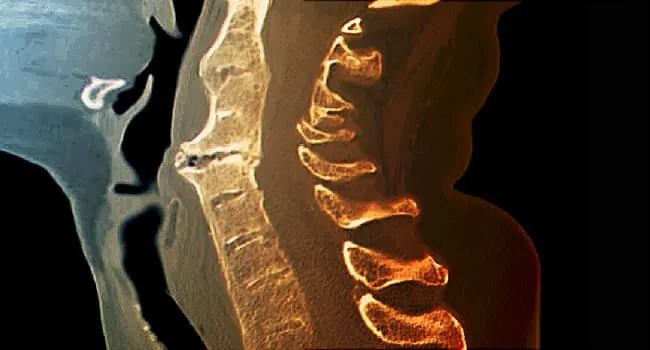
ArticleAnkylosing Spondylitisarthritis causes painful inflammation in the spine. Over time, it may make your vertebrae -- the small bones of the spine -- fuse together. It can also inflame other joints, like hips and knees, and it can damage your eyes, heart, and other organs. There's no cure, but treatment and taking care of yourself can often slow it down or prevent it from getting worse Ref: https://www.webmd.com/ankylosing-spondylitis/ss/slideshow-ankylosing-spondylitis-overviewBy: rupaliMonday, Jul 12, 2021EDUCATION
 No Preview Available
-
PostSchool interventions should include a team approach across multiple settings, consisting of both preventive and intervention strategies. Interventions must be based upon assessment data that includes information about the student’s strengths and needs as well as the environmental conditions in which her characteristics of ADHD occur.By: rupaliMonday, Jul 12, 2021CULTURE AND SOCIETY+1

Leave a comment