

Feed
-
PostGarden asparagus, the most economically important species of the genus, is cultivated in most temperate and subtropical parts of the world. As a vegetable, it has been prized by epicures since Roman times. It is most commonly served cooked, either hot or in salad; the classic accompaniment is hollandaise sauce. In 2018 the world’s leading producers of asparagus were China, Peru, Mexico, Germany, and Thailand. Commercial plantations are not undertaken in regions where the plant continues to grow throughout the year, for the shoots become more spindly and less vigorous each year; a rest period is required. Where the climate is favourable and with proper care, an asparagus plantation may be productive for 10 to 15 years or longer. The best soil types for asparagus are deep, loose, light clays, with much organic matter, and light sandy loams. Asparagus will thrive in soils too salty for other crops, but acidic soils are to be avoided. The asparagus cutting season varies from 2 to 12 weeks, depending on age of the plantation and on climate.By: rupaliFriday, Jul 16, 2021AGRI-FOOD SYSTEMS+2
-
ArticleAsparagus ornamental plantsAsparagus, (genus Asparagus), genus of the family Asparagaceae with up to 300 species native from Siberia to southern Africa. Best known is the garden asparagus (Asparagus officinalis), cultivated as a vegetable.for its succulent spring stalks. Several African species are grown as ornamental plants. Asparagus species may be erect or climbing, and most of the species are more or less woody. The rhizomelike, or sometimes tuberous, roots give rise to conspicuous fernlike branchlets. True leaves are reduced to small scales. Many species are dioecious (individuals are either male or female), and the small greenish yellow flowers in the spring are followed by red berries in the fall. Members of the genus are characterized by the presence of cladodes, which are leaflike organs in the axils of the true leaves.By: rupaliFriday, Jul 16, 2021AGRI-FOOD SYSTEMS+1
 No Preview Available
 -
ArticleArticle : Water substance composed of the chemical elements hydrogen and oxygenWater, a substance composed of the chemical elements hydrogen and oxygen and existing in gaseous, liquid, and solid states. It is one of the most plentiful and essential compounds. A tasteless and odourless liquid at room temperature, it has the important ability to dissolve many other substances. Indeed, the versatility of water as a solvent is essential to live organisms. Life is believed to have originated in the aqueous solutions of the world’s oceans, and living organisms depend on aqueous solutions, such as blood and digestive juices, for biological processes. Water also exists on other planets and moons both within and beyond the solar system. In small quantities, water appears colourless, but water actually has an intrinsic blue colour caused by slight absorption of light at red wavelengths.By: Vijaya Super adminThursday, Jul 15, 2021AGRI-FOOD SYSTEMS

-
PostThe vegetative body of vascular plants is adapted to terrestrial life in various ways. In addition to vascular tissue, the aerial body is covered with a well-developed waxy layer (cuticle) that decreases water loss. Gases are exchanged through numerous pores (stomata) in the outer cell layer (epidermis).By: Vijaya Super adminThursday, Jul 15, 2021AGRI-FOOD SYSTEMS

-
Postformerly a taxonomic division or phylum, the group comprises a tremendous diversity of plants. Tracheophytes can be divided into two groups of seedless plants: the lycophytes (club mosses, spike mosses, and quillworts) and the ferns (including horsetails and whisk ferns); and two groups of seed-bearing plants: the gymnosperms (cycads, pines, spruces, firs, etc.) and the angiosperms (flowering plants). See bryophyte for plants that lack vascular systems.By: Vijaya Super adminThursday, Jul 15, 2021CULTURE AND SOCIETY

-
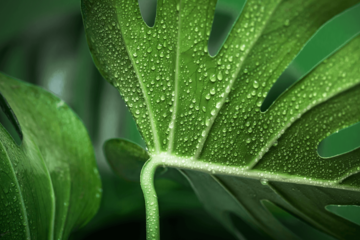
PostTracheophyte, also called vascular plantLeaf, in botany, any usually flattened green outgrowth from the stem of a vascular plant. As the primary sites of photosynthesis leave manufacture food for plants Bryophyte, the traditional name for any nonvascular seedless plant—namely, any of the mosses (division Bryophyta), hornworts (division Anthocerotophyta), and liverworts (division Marchantiophyta). Most bryophytes lack complex tissue organization, yet they show considerable diversity in form and ecology. They are widely distributed throughout the world and are relatively small compared with most seed-bearing plants.By: Vijaya Super adminThursday, Jul 15, 2021AGRI-FOOD SYSTEMS+1
 No Preview Available
 -
OpportunityWaterWater occurs as a liquid on the surface of Earth under normal conditions, which makes it invaluable for transportation, for recreation, and as a habitat for a myriad of plants and animals. The fact that water is readily changed to a vapour (gas) allows it to be transported through the atmosphere from the oceans to inland areas where it condenses and, as rain, nourishes plant and animal lifeBy: rupaliTuesday, Jul 13, 2021AGRI-FOOD SYSTEMS+1
 No Preview Available

Leave a comment