

Browse
Education
Species, in biology, classification comprising related organisms that share common characteristics and are capable of interbreeding. This biological species concept is widely used in biology and related fields of study. There are more than 20 other different species concepts, however. Some examples include the ecological species concept, which describes a species as a group of organisms framed by the resources they depend on (in other words, their ecological niche), and the genetic species concept, which considers all organisms capable of inheriting traits from one another within a common gene pool and the amount of genetic difference between populations of that species.Ref: species | Definition, Types, & Examples | Britannica
By:
rupali
Monday, Jul 19, 2021
AGRI-FOOD SYSTEMS
+2

No Preview Available
Leave a comment
Garden asparagus, the most economically important species of the genus, is cultivated in most temperate and subtropical parts of the world. As a vegetable, it has been prized by epicures since Roman times. It is most commonly served cooked, either hot or in salad; the classic accompaniment is hollandaise sauce. In 2018 the world’s leading producers of asparagus were China, Peru, Mexico, Germany, and Thailand. Commercial plantations are not undertaken in regions where the plant continues to grow throughout the year, for the shoots become more spindly and less vigorous each year; a rest period is required. Where the climate is favourable and with proper care, an asparagus plantation may be productive for 10 to 15 years or longer. The best soil types for asparagus are deep, loose, light clays, with much organic matter, and light sandy loams. Asparagus will thrive in soils too salty for other crops, but acidic soils are to be avoided. The asparagus cutting season varies from 2 to 12 weeks, depending on age of the plantation and on climate.
By:
rupali
Friday, Jul 16, 2021
AGRI-FOOD SYSTEMS
+2
Leave a comment
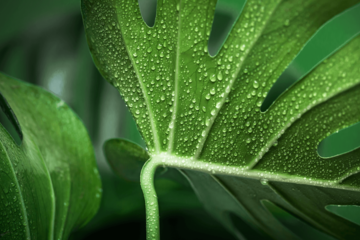
Tracheophyte, also called vascular plantLeaf, in botany, any usually flattened green outgrowth from the stem of a vascular plant. As the primary sites of photosynthesis leave manufacture food for plants
Bryophyte, the traditional name for any nonvascular seedless plant—namely, any of the mosses (division Bryophyta), hornworts (division Anthocerotophyta), and liverworts (division Marchantiophyta). Most bryophytes lack complex tissue organization, yet they show considerable diversity in form and ecology. They are widely distributed throughout the world and are relatively small compared with most seed-bearing plants.
By:
Vijaya Super admin
Thursday, Jul 15, 2021
AGRI-FOOD SYSTEMS
+1

No Preview Available
Leave a comment
Water
Water occurs as a liquid on the surface of Earth under normal conditions, which makes it invaluable for transportation, for recreation, and as a habitat for a myriad of plants and animals. The fact that water is readily changed to a vapour (gas) allows it to be transported through the atmosphere from the oceans to inland areas where it condenses and, as rain, nourishes plant and animal life
By:
rupali
Tuesday, Jul 13, 2021
AGRI-FOOD SYSTEMS
+1

No Preview Available
Leave a comment
Leaf IN botany
Leaf, in botany, any usually flattened green outgrowth from the stem of a vascular plant. As the primary sites of photosynthesis, leaves manufacture food for plants, which in turn ultimately nourish and sustain all land animals. Botanically, leaves are an integral part of the stem system. They are attached by a continuous vascular system to the rest of the plant so that free exchange of nutrients, water, and end products of photosynthesis (oxygen and carbohydrates in particular) can be carried to its various parts. Leaves are initiated in the apical bud (growing tip of a stem) along with the tissues of the stem itself. Certain organs that are superficially very different from the usual green leaf are formed in the same manner and are actually modified leaves; among these are the sharp spines of cacti, the needles of pines and other conifers, and the scales of an asparagus stalk or a lily bulb.
By:
rupali
Friday, Jul 16, 2021
CULTURE AND SOCIETY
+1

AGRI-FOOD SYSTEMS
+1
Wednesday, Jul 21, 2021

Leave a comment
These are a great source of antioxidants and may help prevent cancer and some brain diseases. Frozen berries have them, too. Check out the grocery store’s freezer case and enjoy them year-round.
ref: https://www.webmd.com/healthy-aging/ss/slideshow-nutrition-longevity
By:
rupali
Monday, Jul 12, 2021
EDUCATION

No Preview Available
Leave a comment
Ankylosing Spondylitis
arthritis causes painful inflammation in the spine. Over time, it may make your vertebrae -- the small bones of the spine -- fuse together. It can also inflame other joints, like hips and knees, and it can damage your eyes, heart, and other organs. There's no cure, but treatment and taking care of yourself can often slow it down or prevent it from getting worse
Ref: https://www.webmd.com/ankylosing-spondylitis/ss/slideshow-ankylosing-spondylitis-overview
By:
rupali
Monday, Jul 12, 2021
EDUCATION

No Preview Available
Leave a comment
School interventions should include a team approach across multiple settings, consisting of both
preventive and intervention strategies. Interventions must be based upon assessment data that
includes information about the student’s strengths and needs as well as the environmental
conditions in which her characteristics of ADHD occur.
By:
rupali
Monday, Jul 12, 2021
CULTURE AND SOCIETY
+1

Leave a comment
Drink Enough water
It’s common to get a little constipated if you don’t drink enough water. Inactivity, diet changes, illness, and even stress can add to the problem. Constipation usually passes on its own, but you can help move things along with exercise, over-the-counter meds, and of course, water.
See a doctor if your constipation lasts for more than a week or two or you have dizziness, bad pain in your belly, or blood in your stool. These could be signs of something more serious.
Read more follow : https://www.webmd.com/a-to-z-guides/ss/slideshow-drink-enough-water
By:
rupali
Monday, Jul 12, 2021
AGRI-FOOD SYSTEMS
+1

No Preview Available
Leave a comment
Students with ADHD
Students with ADHD often have the most trouble attending during drill-and-practice assignments because of the repetitive nature of the tasks. Peer-mediated approaches such as those enumerated below are particularly effective for students with ADHD in such cases, because they increase students’ opportunities for engagement and active learning (Piffner, 2011). In creating peer-mediated activities, the teacher may need to choose students whose skill levels complement each other. Students with and without attention difficulties and impulsivity should be considered for peer partnerships. o Peer Tutoring: Peer tutoring is one of the more effective strategies for students with ADHD, because it provides many of the same supports as one-to-one instruction. It facilitates the acquisition of both academic and social skills. Peer tutoring is most effective when training is provided to participating students (Piffner, 2011). Tutors need to be taught how to be prepared with materials needed for the session and how to give positive and corrective feedback to their partner (Greenwood & Delquadri, 1995). o Cooperative Learning: Carefully structured cooperative learning groups in which each student is assigned a role and has clear expectations for desired outcomes are very helpful for students with ADHD. The more structured the cooperative activity, the more likely it is that these students will succeed. o Sharing Strategies: Think, Pair, Share/Square Share/Group Share: Using this approach, students work with peer partners to discuss the lesson, check each other’s work, and share strategies.
By:
Vijaya Super admin
Thursday, Jul 8, 2021
YOUTH EMPOWERMENT
+1
EDUCATION
Thursday, Jul 15, 2021


Leave a comment